
Five things to check first
- Is there room on your switchboard for another circuit, and is it a MEN board? WorkSafe wants charger circuits to come from one.
- Can your supply carry it? WorkSafe allows a 32 A charger in a home once maximum demand is assessed, and recommends load management.
- What RCD protection does this model need? A charger with a Type B RCD built in doesn't need a second one; otherwise the circuit needs a Type B, or an RDC-DD with a Type A.
- Does the unit you're buying come with a Supplier Declaration of Conformity? Gen Less suggests checking.
- Will it charge every car you're likely to own, not just today's?
Why a wall charger at all?
Gen Less, run by EECA, says a wall-mounted charger is faster, more convenient and safer than the 3-pin cable many cars come with. Gen Less also says smart chargers let you charge in off-peak hours, which can lower costs, so find out whether the scheduling you want lives in the charger or the car.
Fitting it is licensed work
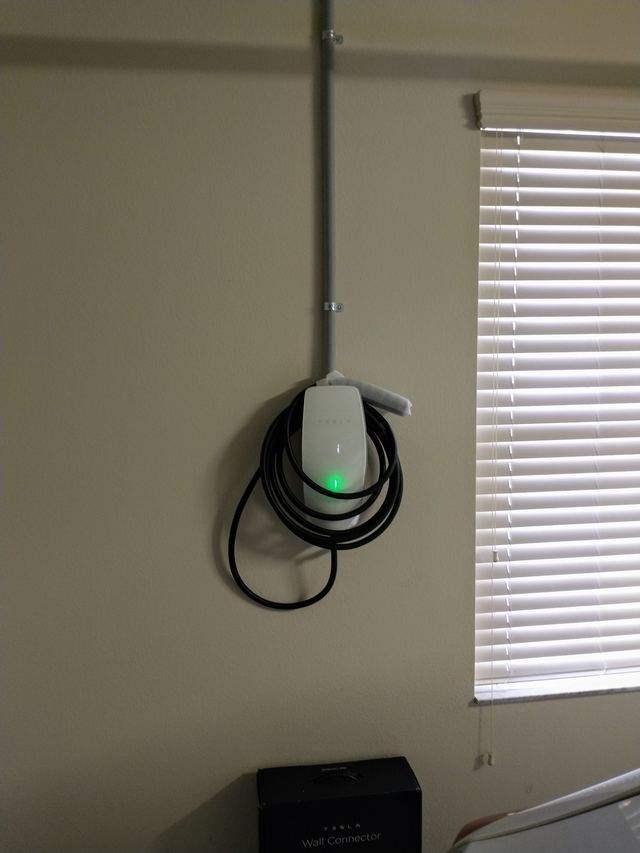
A wall charger is never a homeowner job. The Electrical Workers Registration Board (EWRB) lists EV charging among the work homeowners may not do, even in a home they own and live in. Putting one in means a new circuit, so you'll get a Certificate of Compliance and an Electrical Safety Certificate for it. Tesla Wall Connector installation walks through the job itself.

Our order of things
We'd have an electrician look at the board and supply first, then buy the charger knowing exactly which RCD arrangement and load management it needs. Buying first and asking second is how people end up with extra parts and a second visit they didn't plan for.
Want a specialist to sort it?
Tell us the job and your postcode. We match the licence-checked local electrician who does this kind of work, and they call you. No ring-around, and your number goes to them alone.